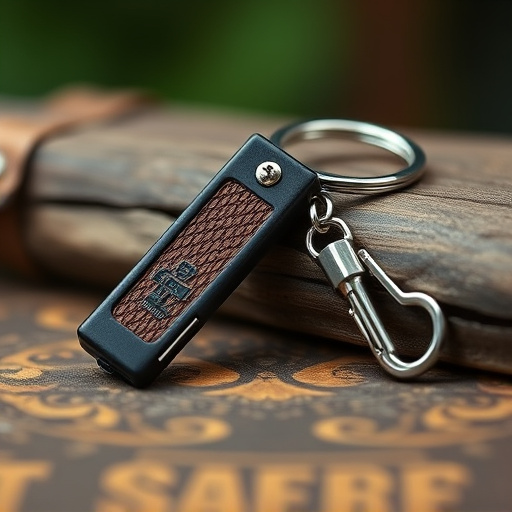
Carrying permitted self-defense keychain tools requires understanding local laws and balancing protection with legal constraints. Choose compact designs with basic safety functions like blades or alarms, maintain devices through cleaning, storage, and regular checks to ensure optimal functionality, and remember these tools complement, not replace, professional training.
In today’s unpredictable world, having a reliable self-defense tool on hand is crucial. This comprehensive guide explores the basics of keychain safety tools, offering insights into effective protection for personal security. We’ll navigate the legal aspects of carrying self-defense devices and help you choose the right permitted keychain tool. Learn essential safety measures, maintenance tips, and more to ensure your peace of mind. Discover how these compact gadgets can provide a sense of security without sacrificing convenience.
- Understanding Self-Defense Keychain Tools
- Legal Aspects of Carrying Self-Defense Devices
- Choosing the Right Permitted Tool for You
- Effective Use and Safety Measures
- Maintaining and Storing Your Keychain Defense Gadget
Understanding Self-Defense Keychain Tools
Self-defense keychain tools are a convenient and accessible way for individuals to protect themselves in various situations, but it’s crucial to understand what constitutes a permitted self-defense keychain tool. These tools are designed to provide basic protection when facing unexpected threats, such as an attack from behind or an attempt to grab a purse. However, not all keychain devices are created equal; some may have limited effectiveness and others could potentially cause injury if used inappropriately.
When considering a self-defense keychain tool, it’s important to look for options that utilize non-lethal force to incapacitate an attacker temporarily. Permitted tools often include features like pepper spray, high-decibel alarms, or sharp prongs designed to disrupt and escape from a grab. Users should familiarize themselves with local laws regarding self-defense tools to ensure they are legal and can be carried without causing harm to others or facing legal repercussions.
Legal Aspects of Carrying Self-Defense Devices
In many jurisdictions, the legal aspects of carrying self-defense devices, including keychain tools, are clearly defined to ensure public safety and prevent misuse. It’s crucial to understand that not all keychain tools are created equal; only specific designs and tools categorized as permitted self-defense keychain tools are legally allowed for personal protection outside your home. Laws vary across regions, but generally, these regulations aim to distinguish between standard utilities and genuine self-defense instruments.
Carrying a keychain tool for self-defense may be prohibited in certain areas or come with restrictions on where and when it can be used. Individuals found carrying such devices must prove their intent is strictly for personal safety and not for causing harm or intimidation. Familiarizing yourself with local legislation regarding permitted self-defense keychain tools is essential to avoid legal repercussions and ensure your right to carry a device for protection is upheld.
Choosing the Right Permitted Tool for You
When considering a keychain safety tool for self-defense, it’s crucial to choose one that aligns with your needs and falls within legal permissible limits. Permitted self-defense keychain tools vary from region to region, so understanding local laws is essential. Look for options that offer basic protection features such as a sharp blade or a sturdy strike surface without exceeding the allowed criteria.
The right tool should be compact, lightweight, and easily attachable to your keyring, ensuring it remains readily accessible when needed. It’s also beneficial to select a design with a secure locking mechanism to prevent accidental deployment. By keeping these factors in mind, you can choose an effective yet legal keychain safety tool tailored to your personal security requirements.
Effective Use and Safety Measures
When using a keychain safety tool for self-defense, it’s crucial to understand its effective range and limitations. These tools are designed for permitted self-defense, offering a quick way to deter potential threats in close quarters. However, their effectiveness depends on proper usage. Ensure you practice with the device to understand its reach and force required to deploy it successfully.
Safety measures include keeping your keychain tool readily accessible yet discreetly hidden. Familiarize yourself with local laws regarding self-defense tools to avoid any legal complications. Regular maintenance of the device is also essential; check for functionality, battery life (if applicable), and keep it in a protective case when not in use. Remember, while these tools can provide basic protection, they are not a substitute for professional training in martial arts or self-defense tactics.
Maintaining and Storing Your Keychain Defense Gadget
Proper maintenance and storage of your keychain defense gadget are crucial for ensuring its longevity and functionality as a permitted self-defense tool. After each use, clean the device with a soft cloth to remove any debris or fingerprints, preventing damage from built-up grime. Store it in a secure, dry place away from direct sunlight and extreme temperatures. Consider using a small pouch or case designed specifically for your gadget to protect it from scratches and other potential harm. Regularly inspect the device for any signs of wear or malfunction, replacing parts as needed to maintain optimal performance. By following these simple steps, you can extend the life of your keychain defense tool while ensuring it remains ready when you need it most.
When armed with the right knowledge, understanding, and the appropriate permitted self-defense keychain tools, individuals can take proactive steps to enhance their personal safety. By navigating legal considerations and selecting a suitable device from the available options, one can confidently navigate potential dangerous situations. Proper training, adherence to safety protocols, regular maintenance, and secure storage are key to ensuring these handy gadgets serve their intended purpose while mitigating risks. Remember, being prepared is half the battle won, and with the right toolkit, you’re better equipped to protect yourself in unexpected circumstances.